Plastic-Free India: Role of NGOs in Environmental Change (2026 Guide)
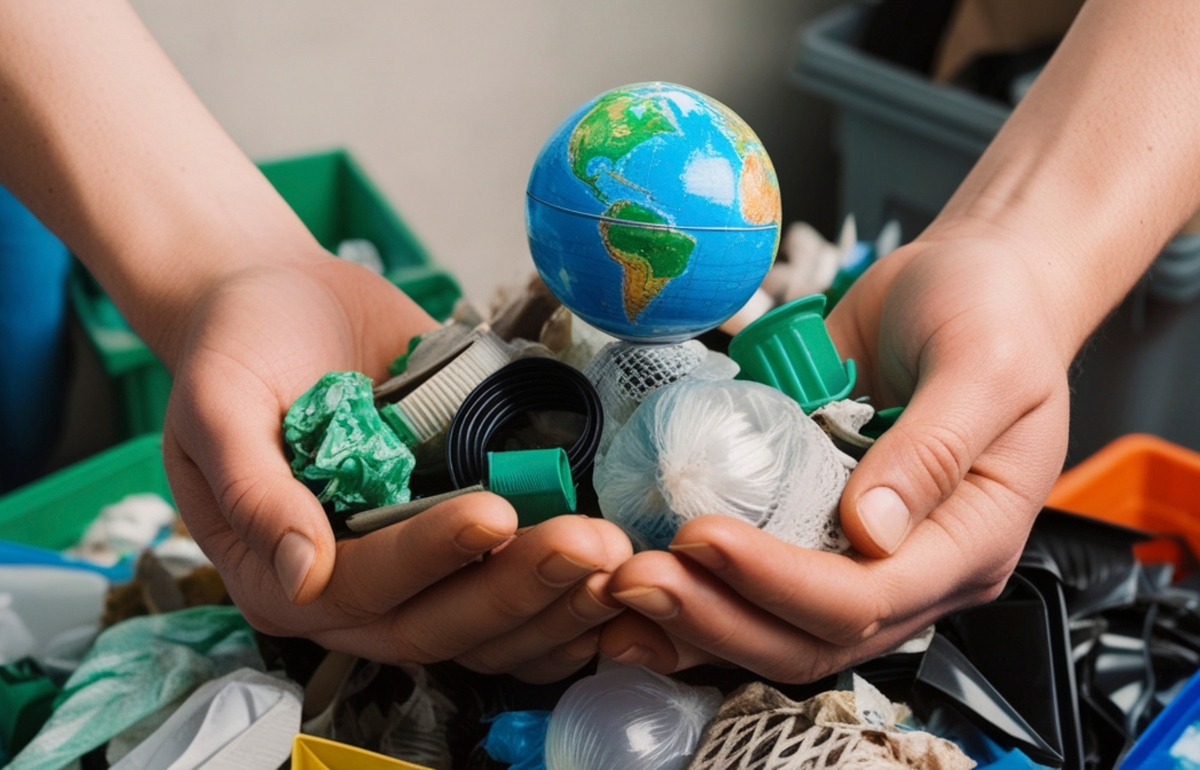
India is facing a growing environmental crisis due to plastic pollution. From overflowing landfills to polluted rivers and oceans, plastic waste has become one of the biggest challenges of our time. The vision of a Plastic-Free India is no longer just an ideal concept—it is a necessity for sustainable development.
While government policies and corporate initiatives are playing their part, non-governmental organizations (NGOs) have emerged as powerful drivers of change. Their grassroots efforts, awareness campaigns, and community involvement are crucial in shaping a cleaner and greener future.
🌍 The Growing Plastic Problem in India
India generates millions of tons of plastic waste every year, a significant portion of which remains uncollected or improperly disposed of. Single-use plastics such as bags, bottles, and packaging materials are the major contributors to this problem.
Despite bans and regulations, the lack of awareness and infrastructure makes it difficult to achieve a truly Plastic-Free India. This is where NGOs step in to bridge the gap between policy and implementation.
🤝 Role of NGOs in Building a Plastic-Free India
1. Awareness and Education
One of the primary roles of NGOs is spreading awareness about the harmful effects of plastic. Through workshops, social media campaigns, school programs, and community events, NGOs educate people about sustainable alternatives.
They encourage individuals to adopt eco-friendly habits such as using cloth bags, avoiding single-use plastics, and supporting local sustainable products.
2. Community Engagement
NGOs work closely with local communities to create long-term behavioral change. They organize cleanliness drives, plastic collection campaigns, and recycling initiatives.
By involving citizens directly, NGOs make people feel responsible for their environment, which is essential for achieving a Plastic-Free India.
3. Promoting Sustainable Alternatives
Another significant contribution of NGOs is promoting alternatives to plastic. From biodegradable packaging to reusable products, NGOs help communities shift towards sustainable living.
They often collaborate with local artisans and small businesses to promote eco-friendly products, creating both environmental and economic benefits.
4. Policy Advocacy and Support
NGOs also play a key role in influencing policies. They work with government bodies to implement regulations effectively and provide feedback based on ground realities.
Their research, reports, and fieldwork help in strengthening laws and ensuring better enforcement, contributing to the vision of a Plastic-Free India.
5. Waste Management Initiatives
Effective waste management is critical to solving the plastic problem. NGOs set up recycling units, waste segregation systems, and collection networks in urban and rural areas.
These initiatives not only reduce plastic waste but also create employment opportunities, especially for underprivileged communities.
🌿 Challenges Faced by NGOs
Despite their efforts, NGOs face several challenges, including limited funding, lack of infrastructure, and resistance to behavioral change.
Many communities are still dependent on cheap plastic products, making it difficult to transition to sustainable alternatives. However, with consistent efforts and support, NGOs continue to push forward in the mission of a Plastic-Free India.
💡 How Individuals Can Contribute
Creating a Plastic-Free India is not just the responsibility of NGOs—it requires collective action. Here are a few simple steps individuals can take:
- Use reusable bags, bottles, and containers
- Avoid single-use plastic products
- Support eco-friendly brands
- Participate in local clean-up drives
- Spread awareness within your community
Small actions, when multiplied across millions of people, can lead to a significant impact.
🌟 Nvedya Foundations: Driving Change at the Grassroots
Organizations like Nvedya Foundations are actively contributing to environmental sustainability by promoting awareness and community-driven initiatives. Through their efforts, they aim to inspire individuals and communities to adopt eco-friendly practices and reduce plastic usage.
By engaging with local communities and encouraging responsible behavior, Nvedya Foundations is playing its part in building a cleaner and greener India. Their initiatives reflect how dedicated NGOs can create meaningful change at the grassroots level.
🚀 Conclusion
The journey towards a Plastic-Free India is challenging but achievable. NGOs are at the forefront of this movement, driving awareness, empowering communities, and promoting sustainable practices.
However, real change will only happen when individuals, organizations, and governments come together with a shared commitment to protect the environment. By supporting NGOs and adopting eco-friendly habits, we can all contribute to a healthier planet.
A cleaner future starts with small steps today—and together, we can make the dream of a Plastic-Free India a reality.