

How Heatwaves Affect Health and Ways to Stay Protected
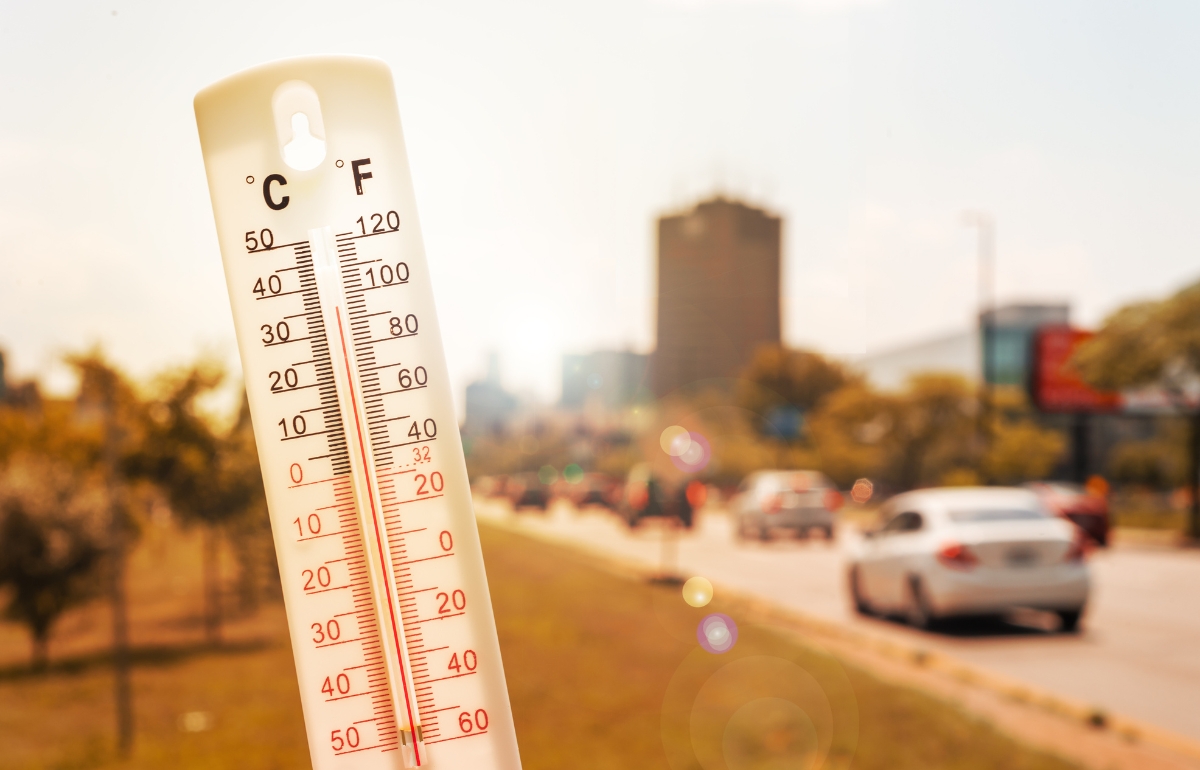
Extreme summer temperatures are becoming more frequent and intense across many regions, making heatwaves a serious public health concern. Understanding how heatwaves affect health is essential for protecting individuals, families, and communities during periods of extreme heat. Heatwaves not only cause physical discomfort but can also lead to severe health complications, especially among vulnerable groups such as children, elderly individuals, outdoor workers, and people with existing medical conditions.
At Nvedya Foundations, spreading awareness about health and community safety is considered an important step toward building informed and responsible communities. Heatwave awareness can help people take preventive measures before conditions become dangerous.
Understanding How Heatwaves Affect the Human Body
Heatwaves affect the body when prolonged exposure to high temperatures prevents the body from cooling itself properly. Normally, the body regulates temperature through sweating, but excessive heat and dehydration can reduce this natural cooling process.
As body temperature rises, individuals may experience symptoms such as:
- Excessive sweating
- Fatigue and weakness
- Dizziness and headaches
- Dehydration
- Muscle cramps
- Difficulty concentrating
If not addressed early, heatwaves affect health more seriously and can result in heat exhaustion or heatstroke, which may become life-threatening without immediate medical attention.
Heatwaves Affect Vulnerable Communities the Most
Although extreme heat can impact anyone, certain groups are more vulnerable. Elderly individuals, young children, pregnant women, and people with chronic illnesses face greater risks during heatwaves. Outdoor workers and people living in areas with limited cooling facilities are also highly exposed.
Heatwaves affect low-income communities more severely because access to cooling systems, clean drinking water, and healthcare resources may be limited. This highlights the importance of public awareness and community support during periods of extreme heat.
At Nvedya Foundations, awareness-driven initiatives focus on promoting health education and encouraging preventive safety measures that help communities stay prepared.
Common Health Risks Caused by Heatwaves
One of the biggest concerns is how heatwaves affect overall physical health. Prolonged exposure to extreme temperatures can trigger several medical conditions, including:
Heat Exhaustion
Heat exhaustion occurs when the body loses excessive water and salt through sweating. Symptoms may include nausea, dizziness, rapid heartbeat, and weakness.
Heatstroke
Heatstroke is a severe medical emergency that occurs when body temperature rises dangerously high. It can cause confusion, unconsciousness, and organ damage if immediate treatment is not provided.
Dehydration
Heatwaves affect hydration levels quickly, especially when individuals do not consume enough fluids. Severe dehydration can lead to fatigue, low blood pressure, and kidney-related complications.
Respiratory and Heart Problems
Extreme heat can worsen respiratory illnesses and place additional stress on the cardiovascular system, especially among elderly individuals and people with existing health conditions.
Ways to Stay Protected During Heatwaves
Understanding how heatwaves affect health is only the first step. Taking preventive measures is equally important for staying safe during extreme weather conditions.
Stay Hydrated
Drink sufficient water throughout the day, even if you do not feel thirsty. Avoid excessive caffeine, sugary beverages, and alcohol, as they may contribute to dehydration.
Avoid Direct Sun Exposure
Try to remain indoors during peak afternoon hours when temperatures are highest. If outdoor activity is necessary, wear light-colored and loose-fitting clothing.
Use cooling methods.
Fans, cool showers, and shaded environments help reduce body temperature. Proper ventilation inside homes can also minimize heat-related discomfort.
Eat Light and Nutritious Meals
Heavy meals can increase body heat and reduce comfort during extreme temperatures. Fresh fruits, vegetables, and water-rich foods help maintain hydration and energy levels.
Check on Vulnerable Individuals
Elderly people, children, and individuals with medical conditions may require additional care during heatwaves. Community support and regular check-ins can prevent serious health emergencies.
Community Awareness and Heatwave Preparedness
Heatwaves affect communities more severely when awareness is limited. Public education about heat safety can reduce preventable health risks and encourage responsible behavior during summer emergencies.
Nvedya Foundations believes that spreading awareness is an important part of community well-being. Educating people about hydration, early symptoms of heat-related illness, and preventive safety measures can help protect lives during extreme weather conditions.
The Importance of Long-Term Environmental Awareness
The increasing frequency of heatwaves also highlights the importance of environmental responsibility and sustainable practices. Climate-related challenges continue to impact public health and daily life across the world.
By promoting awareness, responsible resource usage, and community participation, organizations and individuals can contribute toward building healthier and more resilient communities for the future.
Conclusion
Understanding how heatwaves affect health is essential for protecting individuals and communities during extreme summer conditions. From dehydration and heat exhaustion to serious medical emergencies, the impact of heatwaves can be severe if preventive measures are ignored.
Through awareness, hydration, community support, and proper safety practices, many heat-related risks can be reduced significantly. Nvedya Foundations continues to encourage public awareness and responsible action to help communities stay informed, protected, and prepared during periods of extreme heat.