🌍 The Hidden Cost of Poverty: How It Affects a Child’s Future in India
Poverty is often measured in terms of income, but its real impact goes far beyond financial limitations. The true cost of poverty lies in how it shapes a child’s future, limiting opportunities and affecting overall development. The poverty impact on children in India is deeply rooted in multiple aspects of life, including education, health, emotional well-being, and social growth. Understanding these hidden consequences is essential to building a more inclusive and equal society.
🎓 Impact on Education and Learning
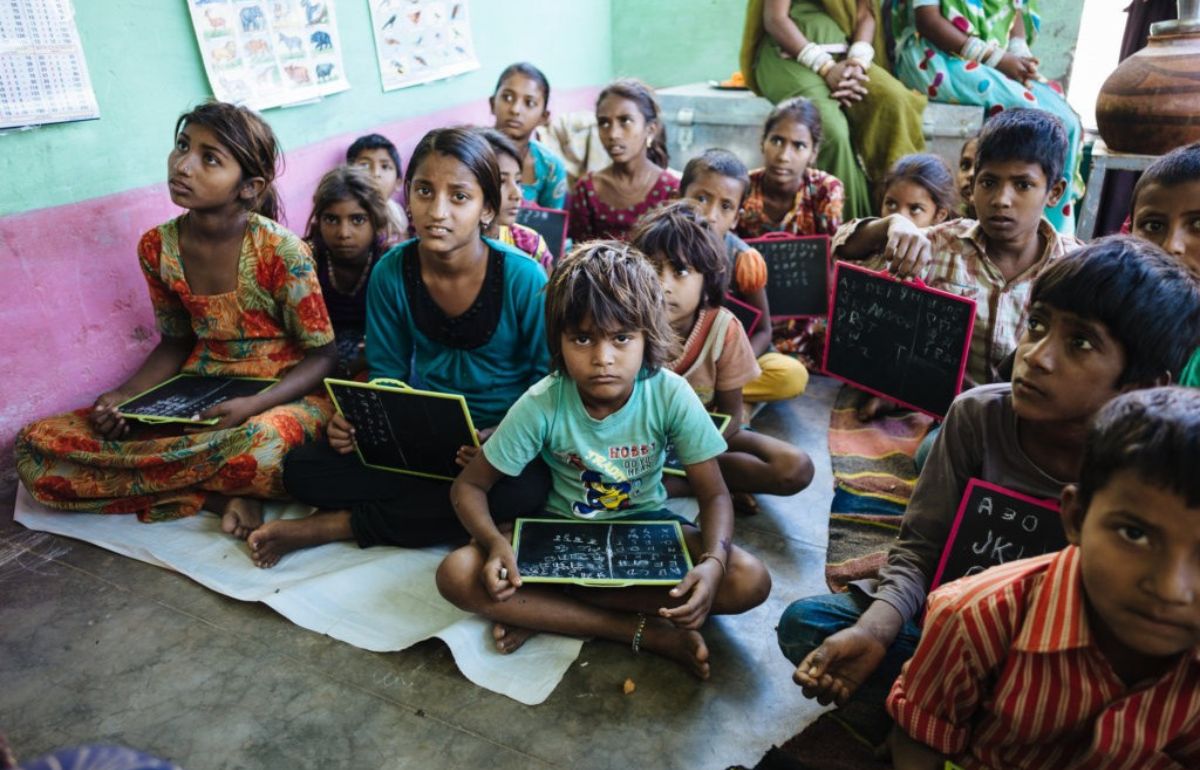
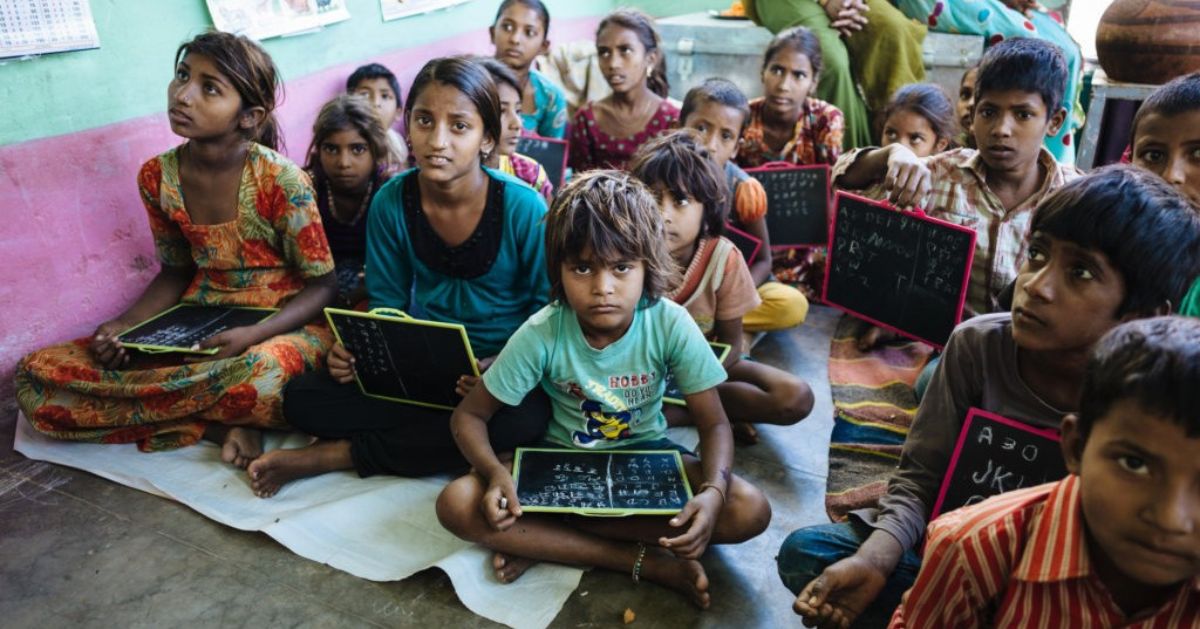
One of the most visible effects of the poverty impact on children is seen in education. Many children from low-income families struggle to access quality schooling due to financial constraints. Even when education is available, the lack of proper resources such as books, uniforms, and digital tools creates a major disadvantage. These children often attend under-resourced schools, where the quality of teaching and infrastructure is limited. Over time, this gap in learning widens, making it difficult for them to compete with their peers and secure better opportunities in the future.
🍎 Health and Nutrition Challenges
The poverty impact on children is also strongly reflected in their health and nutrition. Many underprivileged children do not receive adequate food, leading to malnutrition and poor physical development. Lack of access to healthcare further worsens their condition, as even minor illnesses can go untreated. Poor health directly affects a child’s ability to concentrate, learn, and participate actively in school. This creates a cycle where health issues and educational challenges reinforce each other, limiting long-term growth.
🧠 Emotional and Psychological Effects
Beyond physical and educational challenges, the poverty impact on children extends to emotional and mental well-being. Children growing up in financially unstable environments often experience stress, insecurity, and low self-esteem. They may feel excluded from opportunities that other children take for granted, which affects their confidence and aspirations. Over time, this emotional burden can influence their decision-making, career choices, and overall outlook on life.
🏠 Social Inequality and Limited Exposure
Another hidden aspect of the poverty impact on children is the lack of exposure to opportunities. Children from underprivileged backgrounds often grow up in environments where access to extracurricular activities, skill development programs, and career guidance is limited. This restricts their ability to explore their talents and build essential life skills. Social inequality further deepens the divide, making it difficult for them to break out of the cycle of poverty.
🔄 The Cycle of Poverty
One of the most concerning effects of the poverty impact on children is the continuation of poverty across generations. When children do not receive proper education, healthcare, and opportunities, they are more likely to face limited employment options in adulthood. This leads to financial instability, which then affects the next generation. Breaking this cycle requires collective efforts from society, organizations, and individuals.
🤝 Role of Social Initiatives and NGOs
Addressing the poverty impact on children requires more than awareness; it requires action. NGOs play a vital role in bridging the gap by providing education support, healthcare assistance, and community development programs. Organizations like Nvedya Foundations are working towards empowering children by creating access to better opportunities and resources. Through initiatives focused on education, awareness, and social support, such efforts contribute to building a more inclusive future without directly seeking attention but focusing on real impact.
🌱 Creating Opportunities for Change
Reducing the poverty impact on children starts with creating opportunities at the grassroots level. This includes improving access to quality education, ensuring proper nutrition, and providing guidance for personal and professional growth. Small steps such as sponsoring education, supporting community programs, or volunteering time can collectively make a significant difference. When society comes together, it becomes possible to transform lives and open new paths for children in need.
🎯 Conclusion
The poverty impact on children in India is not just about financial hardship; it is about lost potential, limited opportunities, and an uncertain future. By understanding these hidden costs, we can take meaningful steps towards change. Supporting education, improving living conditions, and empowering communities are essential to breaking the cycle of poverty. Every effort, no matter how small, contributes to shaping a brighter and more equitable future for the next generation.